Bali Travel Guide: The Ultimate Island Experience for Culture, Nature, and Adventure
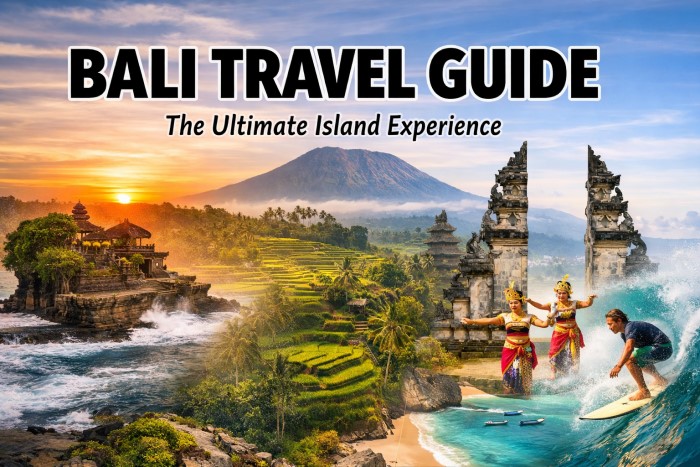
Bali is one of the most captivating travel destinations in the world, often called the Island of the Gods because of its deep spiritual roots, vibrant traditions, and breathtaking landscapes. This Bali travel guide is designed to help travelers understand the island’s diverse regions, cultural values, natural attractions, and travel essentials. Whether you are planning your first visit or returning for a deeper exploration, Bali offers a balance of relaxation, adventure, and cultural discovery that few destinations can match.
This guide also reflects modern traveler needs, making it relevant as a bali travel guide 2025 and bali travel guide 2026, while remaining timeless and accurate.
Why Bali Is a World-Class Travel Destination
Bali stands apart from other tropical destinations because it blends natural beauty with living culture. Temples, ceremonies, and daily offerings are woven into everyday life, creating an atmosphere that feels both peaceful and deeply meaningful. From emerald rice terraces to volcanic mountains and golden beaches, the island delivers a wide range of landscapes within a relatively small area.
Another reason Bali remains popular is accessibility. The island has a well-developed tourism infrastructure while still offering remote villages and quiet nature escapes. This combination makes Bali suitable for families, solo travelers, honeymooners, and digital nomads alike.
Understanding Bali’s Regions and Travel Vibes
Cultural and Spiritual Heartlands
Central Bali is known for its strong connection to tradition and art. Visitors interested in temples, local crafts, and spiritual retreats often choose this region. Yoga centers, meditation spaces, and traditional dance performances are common here, making it ideal for travelers seeking inner balance and cultural depth.
Beach and Lifestyle Areas
Coastal regions in southern Bali are famous for beaches, cafes, and nightlife. These areas attract surfers, social travelers, and those who enjoy modern comforts blended with island scenery. Beach clubs, shopping streets, and sunset viewpoints define this side of Bali.
Nature and Rural Escapes
Northern and eastern Bali offer a quieter experience, with waterfalls, mountains, and farming communities. These areas are perfect for travelers who want to slow down, explore nature, and experience traditional village life away from busy tourist centers.
Best Time to Visit Bali
Bali has a tropical climate, making it a year-round destination. However, understanding seasonal differences helps travelers plan better.
Dry Season Advantages
The dry season, generally from late spring to early autumn, is ideal for outdoor activities. Beaches are cleaner, hiking trails are safer, and visibility for diving and snorkeling is better. This period is popular for travelers following a bali island travel guide focused on adventure and sightseeing.
Shoulder Season Benefits
Shoulder months offer pleasant weather with fewer crowds. Accommodation availability is better, and travelers often enjoy a more relaxed atmosphere while still experiencing good conditions.
Top Experiences and Tourist Attractions
Temples and Sacred Sites
Bali is home to thousands of temples, each with its own purpose and story. Cliffside temples, water temples, and mountain sanctuaries offer insight into Balinese Hindu beliefs and architectural beauty. Visiting temples respectfully is an essential part of any travel guide to Bali tourist attractions.
Natural Wonders
The island’s natural attractions include rice terraces, waterfalls, coral reefs, and volcanoes. Sunrise treks, jungle walks, and coastal viewpoints allow travelers to experience Bali’s raw beauty beyond the beaches.
Beaches and Ocean Activities
Bali’s coastline caters to both relaxation and adventure. Calm beaches suit swimming and family trips, while reef breaks attract surfers from around the world. Snorkeling and diving reveal colorful marine life in clear tropical waters.
Balinese Culture and Local Life
Balinese culture is deeply spiritual and community-focused. Daily offerings, temple festivals, and traditional ceremonies are a normal part of life. Visitors are encouraged to observe respectfully, dress modestly at religious sites, and understand that culture is not a performance but a living tradition.
Art also plays a central role. Painting, wood carving, silverwork, and textile weaving are passed down through generations. Exploring local markets and workshops provides a meaningful cultural connection and supports local artisans.
Food and Culinary Experiences
Bali’s food scene is diverse and reflects both local traditions and international influences. Traditional dishes emphasize rice, vegetables, spices, and grilled meats. Local eateries offer authentic flavors, while modern cafes provide global cuisine with a healthy twist.
Food is also social in Bali. Sharing meals during festivals or family gatherings highlights the island’s strong sense of community and hospitality.
Transportation and Getting Around
Transportation in Bali includes private drivers, taxis, and motorbikes. Many travelers choose private drivers for comfort and local knowledge, especially when visiting multiple attractions in one day. Walking is common in town centers, while rural areas require transport planning.
Understanding travel distances and traffic patterns is essential for realistic daily itineraries, especially during peak seasons.
Travel Tips for a Smooth Bali Experience
Respecting local customs enhances your experience and builds positive interactions. Simple gestures like polite greetings, appropriate dress, and patience go a long way. Travelers should also stay hydrated, protect themselves from the sun, and follow general travel safety practices.
Planning ahead, especially during busy seasons, ensures better accommodation options and a more relaxed journey.
Quick Info About Bali
-
Destination Type: Tropical island with cultural heritage
-
Famous For: Temples, beaches, rice terraces, and wellness retreats
-
Ideal For: Couples, families, solo travelers, and nature lovers
-
Travel Style: Flexible, ranging from luxury to budget-friendly
FAQs About Bali Travel Guide
Is Bali suitable for first-time international travelers?
Yes, Bali is considered beginner-friendly due to its welcoming culture, established tourism services, and variety of travel options.
How many days are enough for Bali?
A minimum of 7 to 10 days allows travelers to experience multiple regions without rushing.
Is Bali more about beaches or culture?
Bali offers both equally. Travelers can enjoy beaches and cultural experiences within the same trip.
Can Bali be visited year-round?
Yes, Bali can be visited throughout the year, with each season offering a slightly different experience.
Conclusion
This bali travel information guide highlights why the island continues to rank among the world’s top destinations. With its unique blend of spirituality, nature, culture, and modern comforts, Bali appeals to every type of traveler. Whether you are planning with a bali travel guide 2025, preparing ahead using a bali travel guide 2026, or simply exploring a timeless destination, Bali promises an unforgettable journey shaped by beauty, tradition, and warmth.