Benefits of Fiddleheads: A Complete Guide to Their Health and Nutritional Power
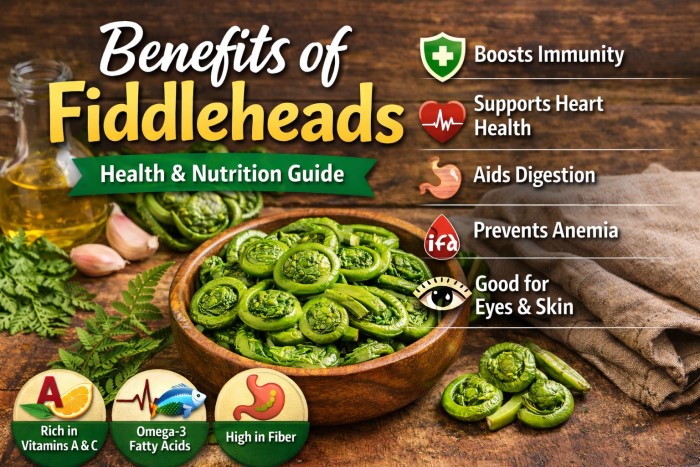
Fiddleheads, the young, coiled fronds of certain fern species, are emerging as one of the most nutrient-dense and seasonal superfoods. Packed with essential vitamins, minerals, and antioxidants, fiddleheads are more than just a culinary delicacy—they are a powerhouse of health benefits. In this article, we will explore the benefits of fiddleheads, their nutritional value, how they can improve your overall well-being, and answer common questions about this unique vegetable. We will also touch upon related keywords such as fiddleheads benefits, fiddleheads health benefits, and benefits of eating fiddleheads.
Quick Info About Fiddleheads
Scientific Name: Matteuccia struthiopteris (Ostrich Fern)
Common Names: Fiddlehead fern, ostrich fern fronds
Season: Spring
Taste: Nutty, grassy flavor similar to asparagus or spinach
Preparation: Must be boiled or steamed before eating
Fiddleheads are typically harvested in early spring before the fern fronds unfurl. They are highly perishable, so it is essential to cook them thoroughly before consumption to ensure safety.
Nutritional Profile of Fiddleheads
Fiddleheads are a low-calorie, nutrient-dense food that provides a variety of essential vitamins and minerals. Here’s a detailed look at their nutritional content per 100 grams:
-
Calories: Approximately 34 kcal
-
Protein: 4.5 g
-
Fiber: 4 g
-
Vitamin A: 500 IU
-
Vitamin C: 26 mg
-
Potassium: 370 mg
-
Iron: 1.2 mg
-
Copper: 0.3 mg
-
Omega-3 Fatty Acids: 0.1 g
-
Omega-6 Fatty Acids: 0.3 g
This nutritional composition makes fiddleheads ideal for maintaining a healthy weight, improving immunity, and supporting overall wellness.
Fiddleheads Health Benefits
1. Rich in Antioxidants
Fiddleheads are abundant in antioxidants like vitamins A and C. These antioxidants help neutralize harmful free radicals in the body, reducing oxidative stress and the risk of chronic diseases. Regular consumption of fiddleheads can support healthy skin, improve vision, and strengthen the immune system.
2. Supports Heart Health
The potassium and omega-3 fatty acids in fiddleheads contribute to cardiovascular well-being. Potassium helps regulate blood pressure levels, while omega-3 fatty acids reduce inflammation and promote better heart function. Additionally, the fiber content may help lower LDL cholesterol, further enhancing heart health.
3. Improves Digestive Health
Fiddleheads are a good source of dietary fiber, which promotes healthy digestion and prevents constipation. Fiber also nourishes beneficial gut bacteria, improving nutrient absorption and maintaining a balanced gut microbiome. This makes fiddleheads a valuable addition to any digestive health regimen.
4. Supports Energy and Red Blood Cells
Fiddleheads contain iron and copper, essential minerals for red blood cell production. Adequate intake of these minerals helps prevent iron-deficiency anemia, boosts energy levels, and supports oxygen transport throughout the body. People with active lifestyles can particularly benefit from including fiddleheads in their diet.
5. Enhances Immune Function
With a rich supply of vitamin C and other antioxidants, fiddleheads help strengthen the immune system. Regular consumption can reduce susceptibility to infections, improve wound healing, and support overall immunity, making them a perfect seasonal food for boosting health.
6. Weight Management and Low-Calorie Food
Fiddleheads are low in calories but high in nutrients, making them ideal for weight management. The fiber content keeps you full for longer, reducing unnecessary snacking and aiding in portion control. Including fiddleheads in salads, stir-fries, and soups can contribute to a balanced, low-calorie diet.
7. Eye and Skin Health
Vitamin A in fiddleheads plays a vital role in maintaining healthy vision and skin. It supports eye function, reduces the risk of age-related macular degeneration, and helps maintain glowing, healthy skin. Consuming fiddleheads regularly can contribute to both internal and external beauty.
Benefits of Eating Fiddleheads
Eating fiddleheads is not only about taste—it provides numerous health advantages:
-
Boosts immune system through antioxidants and vitamin C
-
Reduces inflammation due to omega-3 fatty acids
-
Supports cardiovascular health with potassium and fiber
-
Promotes digestive health through high dietary fiber
-
Helps prevent anemia by providing iron and copper
-
Aids in weight management due to low-calorie content
-
Supports skin and eye health thanks to vitamin A
These fiddleheads health benefits make them a versatile food suitable for a variety of diets, from vegetarian to keto-friendly meals.
How to Safely Prepare Fiddleheads
Cleaning Fiddleheads
-
Rinse fiddleheads thoroughly under cold running water.
-
Remove any brown papery husk covering the coils.
-
Inspect for dirt or debris trapped in the folds.
Cooking Methods
Fiddleheads should never be eaten raw. Popular cooking methods include:
-
Boiling: Boil fiddleheads in water for 10-15 minutes, then drain.
-
Steaming: Steam for 10-12 minutes to maintain nutrients.
-
Sautéing: After boiling, sauté with garlic, olive oil, or butter for added flavor.
Proper cooking reduces the risk of foodborne illness and enhances digestibility.
Related Keywords: Fiddleheads Benefits and Health Advantages
When people search for fiddleheads benefits, fiddleheads health benefits, or benefits of eating fiddleheads, they are looking for both nutritional and practical reasons to include this vegetable in their diet. Key highlights include:
-
Seasonal superfood: Best available in early spring.
-
Nutrient-dense: High in vitamins, minerals, and antioxidants.
-
Versatile cooking: Can be used in soups, salads, stir-fries, or as a side dish.
-
Supports multiple body functions: Heart, digestion, immunity, skin, and vision.
Including fiddleheads in your meals not only introduces variety but also provides numerous long-term health benefits.
Quick Facts About Fiddleheads
-
Fiddleheads are young fern fronds, harvested before unfurling.
-
Only certain species like ostrich ferns are edible.
-
They must be cooked thoroughly before eating.
-
Contain antioxidants, vitamins, fiber, and essential minerals.
-
Ideal for boosting immunity, digestion, and heart health.
FAQs About Fiddleheads
Are fiddleheads safe to eat raw?
No, fiddleheads should never be eaten raw. Raw or undercooked fiddleheads can cause nausea, vomiting, and diarrhea. Boiling or steaming for at least 10-15 minutes is necessary to make them safe for consumption.
How do fiddleheads taste?
Fiddleheads have a nutty, grassy flavor similar to asparagus or broccoli stems. Their texture is crunchy and tender when cooked properly.
What are the main nutrients in fiddleheads?
Fiddleheads are rich in vitamins A and C, potassium, iron, copper, fiber, and omega-3 and omega-6 fatty acids.
Can fiddleheads help with weight loss?
Yes, because they are low in calories and high in fiber, fiddleheads can promote satiety and aid in weight management when included in a balanced diet.
When is the best time to eat fiddleheads?
Fiddleheads are a spring seasonal food. They are best harvested and consumed in early spring for maximum freshness and nutritional value.
Conclusion
The benefits of fiddleheads make them a remarkable addition to any healthy diet. From improving heart and digestive health to boosting immunity and supporting skin and eye function, these young ferns offer a wide range of health advantages. By preparing them properly and including them in your meals, you can enjoy both their unique taste and nutritional power. Whether you are looking to explore seasonal superfoods or simply want a nutrient-rich addition to your diet, fiddleheads are a versatile and highly beneficial choice.