Color Corrector Guide: The Ultimate Expert Guide to Flawless Skin and Perfect Makeup in 2026
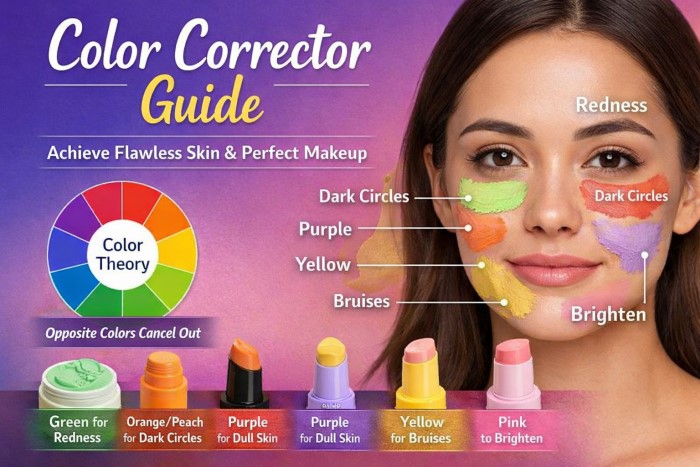
Makeup is not just about covering imperfections—it is about creating a smooth, even canvas that enhances your natural beauty. One of the most powerful tools used by professionals and beginners alike is color correction. This color corrector guide will help you understand everything about color correctors, how they work, how to use them properly, and how they can transform your makeup routine.
Color correctors have become essential in modern beauty routines because they address skin concerns at the root level. Instead of layering heavy foundation or concealer, color correctors neutralize discoloration and create a naturally flawless appearance.
What Is a Color Corrector?
A color corrector is a specially pigmented makeup product designed to neutralize unwanted tones in the skin. Unlike regular concealers, which match your skin tone, color correctors use opposite colors on the color wheel to cancel out discoloration.
This technique creates a balanced skin tone and improves the overall appearance of foundation and concealer. Color correctors are commonly used to correct dark circles, redness, dullness, and hyperpigmentation.
They come in various forms, including liquids, creams, sticks, and palettes. Each type is designed to suit different skin types and makeup preferences.
How Color Correctors Work: Understanding Color Theory
The Science Behind Color Correction
Color correction works based on the color wheel principle. Colors opposite each other on the wheel cancel each other out when applied together.
For example:
-
Green cancels red
-
Orange cancels blue
-
Purple cancels yellow
-
Yellow cancels purple
This principle allows makeup artists to neutralize specific skin concerns effectively.
Why Color Correctors Are Better Than Heavy Concealer
Using color correctors reduces the need for heavy layers of concealer. Instead of covering discoloration with thick makeup, correctors neutralize it, allowing lighter foundation application and a more natural finish.
Types of Color Correctors and Their Uses
Green Color Corrector: Best for Redness
Green correctors are used to neutralize red tones caused by acne, rosacea, irritation, or blemishes. Applying a small amount of green corrector to red areas helps balance the skin tone.
This makes foundation look smoother and more even.
Orange and Peach Color Corrector: Best for Dark Circles
Peach and orange correctors are used to neutralize blue or purple tones under the eyes and dark spots.
-
Peach works best for fair to medium skin tones
-
Orange works best for medium to deep skin tones
These shades brighten the under-eye area and reduce the appearance of tiredness.
Purple Color Corrector: Best for Dull Skin
Purple or lavender correctors help brighten dull or yellow-toned skin. They add radiance and improve overall complexion.
This type of corrector is ideal for people with tired or uneven skin tone.
Yellow Color Corrector: Best for Purple and Blue Discoloration
Yellow correctors are useful for neutralizing purple tones, bruises, and under-eye darkness. They also help brighten and warm the skin.
This corrector works well for most skin tones.
Pink Color Corrector: Best for Brightening
Pink correctors help brighten the under-eye area, especially for people with fair skin. They add freshness and reduce dullness.
Blue Color Corrector: Best for Excess Warmth
Blue correctors help neutralize overly warm or orange tones in foundation or skin. They are useful when foundation appears too warm.
How to Apply Color Corrector Properly
Step 1: Prepare Your Skin
Start with clean, moisturized skin. Apply a primer to create a smooth base. Proper preparation ensures better blending and longer-lasting results.
Step 2: Apply Corrector Only Where Needed
Apply small dots of corrector to areas with discoloration, such as:
-
Under eyes
-
Around the nose
-
Acne spots
-
Dark patches
Avoid applying corrector to the entire face.
Step 3: Blend Carefully
Use a makeup sponge, brush, or fingertips to blend the corrector gently. Blending is essential to ensure the color corrector merges naturally with your skin.
Step 4: Apply Foundation
Apply foundation over the corrected areas. The foundation will create an even skin tone and hide the corrector underneath.
Step 5: Apply Concealer for Extra Coverage
If needed, apply concealer over foundation for additional coverage.
Step 6: Set Your Makeup
Use setting powder or spray to lock your makeup in place and improve durability.
Choosing the Right Color Corrector for Your Skin Tone
For Fair Skin
Use peach, pink, or light yellow correctors.
For Medium Skin
Use peach, orange, or yellow correctors.
For Deep Skin
Use orange, red-orange, or deep orange correctors.
Choosing the correct shade ensures better correction and natural results.
Common Skin Problems Solved by Color Correctors
Color correctors are effective for solving many skin concerns, including:
-
Dark circles
-
Acne redness
-
Hyperpigmentation
-
Uneven skin tone
-
Dull complexion
-
Rosacea
-
Sun damage
They improve overall makeup results significantly.
Modern Color Corrector Trends in 2026
Skincare-Infused Formulas
Modern correctors include skincare ingredients such as hyaluronic acid and vitamins. These ingredients help improve skin health while correcting discoloration.
Lightweight and Natural Finish
Modern makeup trends focus on natural beauty. Lightweight correctors provide correction without heavy makeup.
Multi-Use Products
Many correctors now work as primer, concealer, and skincare product in one formula.
Inclusive Shade Ranges
Brands now offer a wide range of corrector shades suitable for all skin tones.
Benefits of Using Color Correctors
Using color correctors offers many advantages:
-
Neutralizes discoloration
-
Improves foundation appearance
-
Reduces need for heavy makeup
-
Enhances natural skin appearance
-
Creates flawless finish
-
Improves makeup longevity
Common Mistakes to Avoid
Avoid these mistakes for best results:
-
Using too much product
-
Choosing wrong shade
-
Not blending properly
-
Applying corrector on entire face
-
Skipping foundation after corrector
Proper technique ensures natural and flawless results.
Quick Info About Color Corrector Guide
| Feature | Details |
|---|---|
| Product Type | Makeup corrector |
| Purpose | Neutralize discoloration |
| Used Before | Foundation and concealer |
| Suitable For | All skin types |
| Common Forms | Liquid, cream, stick |
| Main Benefit | Even skin tone |
FAQs About Color Corrector Guide
What is the main purpose of a color corrector?
The main purpose of a color corrector is to neutralize discoloration and create an even skin tone before applying foundation.
Do I need color corrector every day?
It depends on your skin concerns. If you have dark circles or redness, using a corrector daily can improve your makeup appearance.
Can beginners use color correctors?
Yes, color correctors are easy to use. Beginners can start with peach or green correctors for common concerns.
Should color corrector be applied before foundation?
Yes, color corrector should always be applied before foundation for best results.
Can color correctors replace concealer?
No, color correctors neutralize discoloration, while concealers provide coverage. Both work together.
Final Thoughts
This color corrector guide shows that color correction is an essential technique for achieving flawless skin. By understanding color theory and proper application, anyone can improve their makeup results significantly.
Color correctors allow you to achieve smooth, even, and natural-looking skin without heavy makeup. Whether you are a beginner or professional, mastering color correction will transform your beauty routine and help you achieve perfect makeup every time.