Dietary Aide: A Complete Guide to Roles, Skills, Jobs, and Employment
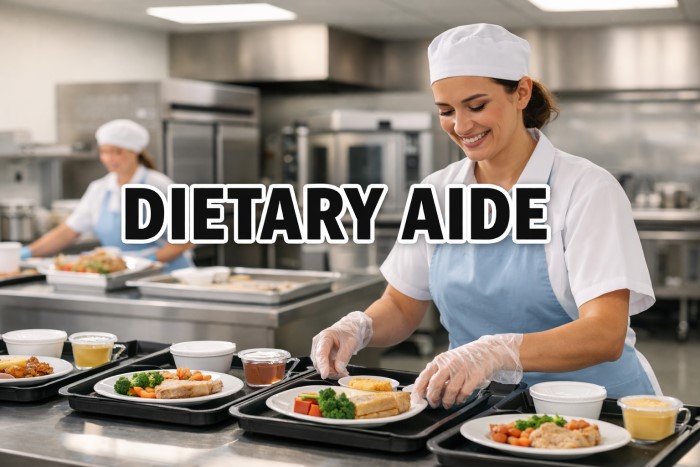
A dietary aide plays an essential role in food service operations within care-based environments. This position focuses on assisting with meal preparation, serving food, and maintaining cleanliness while following basic dietary instructions provided by supervisors. A dietary aide supports the smooth functioning of kitchens that serve individuals who rely on organized, hygienic, and timely meal services.
The role of a dietary aide is not clinical, but it is highly important. Proper food handling, correct meal delivery, and clean environments contribute directly to comfort, safety, and overall well-being. Because of this, dietary aides are a key part of many institutional teams.
What Is a Dietary Aide?
Core Definition
A dietary aide is a food service support worker who assists with preparing, serving, and managing meals in facilities such as hospitals, nursing homes, assisted living centers, and other care institutions. The role focuses on following established food service procedures rather than creating meal plans.
Purpose of the Role
The primary purpose of a dietary aide is to ensure that meals are served correctly, safely, and efficiently. This includes respecting food instructions, maintaining cleanliness, and supporting kitchen operations.
Responsibilities of a Dietary Aide
Meal Preparation Support
Dietary aides assist kitchen staff with basic food preparation tasks. These duties may include portioning food, arranging trays, and preparing items for serving under supervision.
Meal Service and Distribution
One of the most visible responsibilities of a dietary aide is serving meals. This can involve delivering trays, serving food in dining areas, and ensuring that meals reach the correct individuals.
Hygiene and Sanitation
Cleanliness is a major part of the job. Dietary aides help clean food preparation areas, wash dishes, sanitize surfaces, and follow food safety guidelines to maintain a hygienic environment.
Kitchen Assistance
Dietary aides support daily kitchen operations by organizing supplies, setting up dining areas, and assisting other staff members as needed.
Skills Required for a Dietary Aide
Communication Skills
Clear communication is important for understanding instructions and coordinating with kitchen staff and supervisors.
Attention to Detail
Dietary aides must pay close attention to meal instructions, portion sizes, and cleanliness standards.
Physical Stamina
The role often involves standing for long periods, carrying trays, and moving around busy work areas.
Teamwork
A dietary aide works as part of a team. Cooperation and reliability are essential for maintaining smooth operations.
Education and Training
Basic Requirements
Most dietary aide positions require basic education and literacy skills. Formal qualifications are often not mandatory, as many employers provide on-the-job training.
On-the-Job Training
Training typically covers food safety practices, hygiene standards, and workplace procedures. This ensures that dietary aides can perform their duties correctly and safely.
Work Environment of a Dietary Aide
Common Workplaces
Dietary aides commonly work in:
-
Hospitals
-
Nursing homes
-
Assisted living facilities
-
Rehabilitation centers
-
Institutional kitchens
Work Schedule
The role usually involves shift-based work. Depending on the facility, dietary aides may work mornings, evenings, weekends, or holidays.
Dietary Aide Jobs: Employment Overview
Availability of Dietary Aide Jobs
Dietary aide jobs are commonly available because many care facilities require consistent food service support. These positions are often offered on a full-time or part-time basis, depending on operational needs.
Entry-Level Opportunities
Many dietary aide jobs are suitable for individuals seeking entry-level employment. Employers often value reliability, cleanliness, and willingness to learn over prior experience.
Job Stability
Because food service is essential in care settings, dietary aide employment is generally stable. Facilities require ongoing support to maintain daily operations.
Dietary Aide Employment: What to Expect
Hiring Criteria
Dietary aide employment typically focuses on practical skills rather than advanced qualifications. Employers may assess basic communication ability, physical readiness, and understanding of hygiene practices.
Workplace Expectations
Dietary aides are expected to follow instructions, respect schedules, and maintain professional conduct. Consistency and dependability are highly valued in this role.
Growth Within Employment
While the role itself is supportive, dietary aide employment can provide experience in structured work environments. This experience may be useful for other food service or support positions.
Importance of a Dietary Aide Role
A dietary aide contributes to organized meal service and cleanliness, which are essential in care-based environments. Proper food handling and timely service help maintain comfort and safety. Without dietary aides, kitchen operations in large facilities would struggle to function efficiently.
Related Keywords Explained
Dietary Aide Jobs
Dietary aide jobs focus on assisting food service operations in care settings. These roles emphasize teamwork, hygiene, and consistency rather than independent decision-making.
Dietary Aide Employment
Dietary aide employment refers to ongoing work opportunities in institutional kitchens and care facilities. These positions are valued for their reliability and support function.
Quick Info About Dietary Aide
Job Type
Food service support role
Work Setting
Care facilities and institutional kitchens
Experience Level
Entry-level to experienced support staff
Key Focus
Meal service, cleanliness, and following instructions
FAQs About Dietary Aide
What does a dietary aide do daily?
A dietary aide assists with food preparation, serves meals, cleans kitchen areas, and supports kitchen staff according to daily schedules.
Is a dietary aide a medical position?
No, a dietary aide is not a medical role. It is a food service support position within care environments.
Are dietary aide jobs physically demanding?
The role may involve standing, walking, and carrying trays, so basic physical stamina is helpful.
Is training provided for dietary aide employment?
Yes, many employers provide on-the-job training to ensure proper food safety and hygiene practices.
Can dietary aide employment be part-time?
Yes, dietary aide employment can be full-time or part-time depending on the facility’s needs.
Conclusion
A dietary aide is a vital support worker in food service operations within care-based settings. The role focuses on assisting with meals, maintaining cleanliness, and supporting daily kitchen activities. With consistent demand, accessible entry requirements, and structured responsibilities, dietary aide jobs and dietary aide employment offer a practical and meaningful opportunity for individuals seeking stable work in supportive environments.