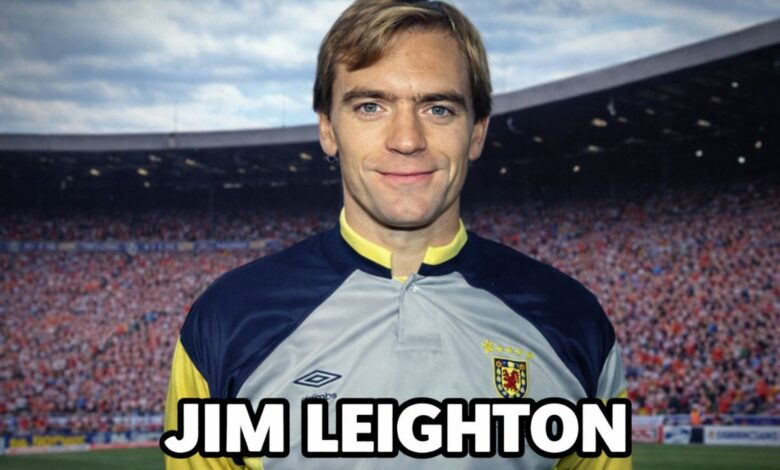
Jim Leighton: The Legendary Scottish Goalkeeper Who Defined an Era
Quick Info About Jim Leighton
| Field | Details |
|---|---|
| Full Name | James Leighton |
| Known As | Jim Leighton |
| Date of Birth | July 24, 1958 |
| Birthplace | Johnstone, Renfrewshire, Scotland |
| Nationality | Scottish |
| Position | Goalkeeper |
| Best Known For | Aberdeen, Scotland national team, Manchester United |
| Scotland Caps | 91 |
| Major Strengths | Shot-stopping, consistency, composure, leadership |
| Famous Era | 1980s and 1990s |
Introduction
Jim Leighton is one of the most respected goalkeepers in Scottish football history. Known for his calm personality, dependable performances, and remarkable longevity, he built a career that earned admiration from fans, coaches, and teammates alike. In an era when goalkeepers were judged by courage, concentration, and command of the penalty area, Leighton stood out as a player who combined all three. He became a symbol of reliability for both club and country and remains closely associated with some of the proudest moments in Aberdeen’s football history. His name is still remembered with respect because he represented the values of discipline, professionalism, and resilience throughout a long and demanding career.
Early Life and Football Beginnings
Jim Leighton was born in Johnstone, Renfrewshire, Scotland, on July 24, 1958. Like many Scottish footballers of his generation, he came through the game with hard work rather than glamour. Before becoming a major name, he developed his skills patiently and built his reputation through dedication. His journey into top-level football was not based on hype but on steady improvement and solid performances. That background shaped the kind of professional he became later in life. He was never known as a showman. Instead, he earned trust through discipline and by doing the basics exceptionally well. Those traits would later define his rise to the top of Scottish football.
Joining Aberdeen
Leighton’s career truly took shape when he joined Aberdeen in 1977. This move proved to be the turning point of his life in football. Aberdeen was becoming a serious force, and the club offered him the perfect stage to grow. Under the guidance of Alex Ferguson, Leighton matured into a top-class goalkeeper. What made him special was not only his talent but also his ability to remain focused under pressure. He did not rely on dramatic gestures or flashy moments. He gave defenders confidence because he looked composed, stayed alert, and made important saves when they mattered most. That steady presence helped turn him into an essential part of the Aberdeen side that would go on to achieve greatness.
Jim Leighton and Aberdeen’s Golden Years
Aberdeen enjoyed one of the greatest periods in its history during the 1980s, and Jim Leighton was central to that success. Playing behind a strong, determined team, he helped Aberdeen compete not only in Scotland but also in Europe. His finest club years came during this period, when Aberdeen won major domestic trophies and also achieved one of the most famous victories in Scottish club football by winning the European Cup Winners’ Cup in 1983. That success gave the club international recognition and placed Leighton among the most important players of the team. He was not always the loudest figure on the field, but his performances were often vital in tight matches. Great teams need players who can be trusted in decisive moments, and Leighton was exactly that kind of goalkeeper.
Why He Was So Important
A goalkeeper’s true value often becomes clear in difficult situations. Jim Leighton built his name by remaining dependable when the pressure was highest. He had sharp reflexes, strong positioning, and a calm mindset that stopped panic from spreading through the team. His style suited the demands of British football in that era, where physical battles, crosses into the box, and quick decision-making were constant features of the game. Leighton handled those challenges with authority. Supporters trusted him because he rarely looked rattled. Managers valued him because he was disciplined and mentally strong. Teammates respected him because he made the job of defending easier. Those qualities made him a cornerstone of a memorable Aberdeen generation.
Move to Manchester United
Jim Leighton later followed Alex Ferguson to Manchester United, a move that naturally brought higher expectations and greater scrutiny. Transfers of this kind are often seen as proof that a player has reached the highest level, and Leighton’s move showed how highly Ferguson rated him. His time at Old Trafford, however, was more complicated than his years at Aberdeen. While he remained an experienced and capable goalkeeper, football at a giant English club brought enormous pressure. Some difficult moments shaped how that chapter was remembered, especially around the 1990 FA Cup Final period. Still, focusing only on setbacks would be unfair. Reaching that level and representing a club of Manchester United’s size confirmed that Leighton had earned elite status within British football.
A Career That Showed Resilience
One of the most impressive things about Jim Leighton is that he did not allow difficult moments to define him. Many players fade after public disappointment, but Leighton rebuilt his career through persistence and professionalism. After his time at Manchester United, he had spells with other clubs including Dundee and Hibernian, and he proved again that his ability and mentality were still strong. This ability to recover is one of the reasons he is so respected today. Football careers are never perfect, and great professionals are often remembered not only for their victories but for how they respond to adversity. Leighton responded with dignity and determination. That makes his story more human and more inspiring.
International Career With Scotland
Jim Leighton also made a major mark at international level. He earned 91 caps for Scotland, which places him among the country’s most trusted and experienced international players. Representing a national team over such a long period is a major achievement for any goalkeeper because the position demands concentration, form, and physical readiness year after year. Leighton was involved across multiple World Cup cycles and became one of the familiar faces of Scottish football on the global stage. His longevity in the Scotland setup showed how highly he was regarded. For many supporters, he represented reliability and pride during an important era for the national team. Wearing the national shirt so many times is evidence of both quality and character.
World Cup Presence
Leighton’s World Cup connection adds another important layer to his legacy. He was part of Scotland’s football story across several World Cup years and played at the highest international level when the pressure could not have been greater. Goalkeepers at tournaments are remembered for composure, nerve, and big saves, and Leighton’s long presence around Scotland’s major tournament campaigns highlighted his importance. Few goalkeepers can remain relevant across such a wide span of time. That endurance reflects his professionalism, fitness, and football intelligence. His international service remains one of the strongest parts of his overall legacy.
Return to Aberdeen and Lasting Legacy
Later in his career, Jim Leighton returned to Aberdeen, which felt like a fitting chapter for a player so deeply connected to the club. Great football stories often come full circle, and his return strengthened the bond he already had with the supporters. By then, he was more than just a player. He was part of the club’s identity. Aberdeen fans continue to remember him as one of the great goalkeepers in their history, and official recognition from the club reflects that status. His long list of appearances and honors speaks clearly about the scale of his contribution. He is not simply remembered for one match or one season, but for a body of work built over many years.
Hall of Fame Recognition
Recognition after retirement matters because it shows how a player’s work is viewed over time. Jim Leighton has been honored through Hall of Fame recognition, which underlines the respect he has earned in Scottish football. Such honors are not given lightly. They reflect long-term impact, not short-term popularity. In Leighton’s case, they confirm what fans already knew: he was one of the finest Scottish goalkeepers of his generation and a player whose career deserves lasting appreciation.
Playing Style and Personality
Jim Leighton’s playing style was based on control rather than drama. He was known for sharp reflexes, strong shot-stopping, and sensible decision-making. He gave the impression of a goalkeeper who understood the rhythm of a match and knew when to stay calm. That quality is often underrated, but it is essential for top-level goalkeepers. Personality also mattered in his success. He came across as serious, focused, and committed to his profession. He was not a player built for headlines. He was built for results. That is why his reputation has remained so solid over the years. His career reminds football fans that consistency can be just as valuable as flair.
Conclusion
Jim Leighton remains a towering figure in Scottish football because his career combined success, durability, and character. From his rise at Aberdeen to his years with Scotland and his later experience in English football, he built a reputation as a goalkeeper who could be trusted. He was part of historic teams, played on the biggest stages, and showed resilience when his career tested him. More importantly, he left behind an example of professionalism that younger players can still learn from. His story is not just about trophies or appearances. It is about earning respect through years of honest, high-level performance. That is why Jim Leighton is still remembered as one of Scotland’s true goalkeeping legends.
FAQs About Jim Leighton
What is Jim Leighton famous for?
Jim Leighton is famous for being a legendary Scottish goalkeeper who played for Aberdeen, Manchester United, and the Scotland national team.
How many caps did Jim Leighton win for Scotland?
He won 91 international caps for Scotland during a long and respected international career.
Which club is most associated with Jim Leighton?
Although he played for several clubs, Jim Leighton is most strongly associated with Aberdeen because of his success and long connection with the club.
Did Jim Leighton play in the World Cup?
Yes. He was involved in multiple Scotland World Cup campaigns and played at major international tournaments.
Why is Jim Leighton considered important in Scottish football?
He is considered important because of his club success, long international service, consistency as a goalkeeper, and his lasting influence on Scottish football history.