robin ray: The Brilliant Broadcaster Who Brought Classical Music to the Masses
Introduction
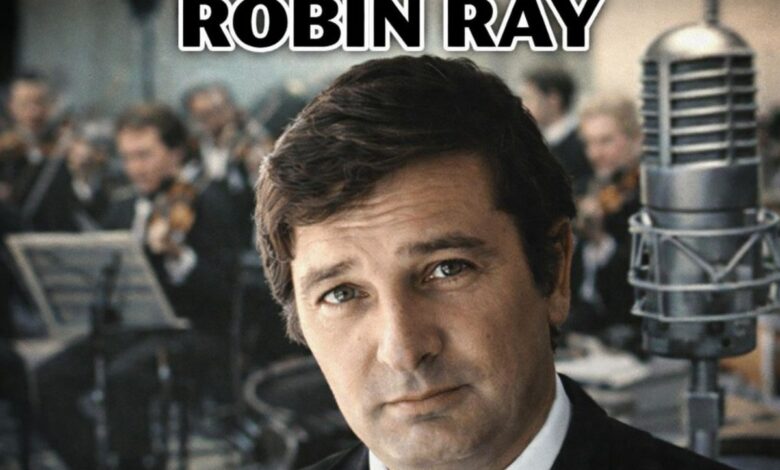
Robin Ray remains one of the most respected yet often underrated figures in British broadcasting history. Known for his calm presence, intellectual depth, and deep passion for classical music, he carved out a unique place in television, radio, and the arts. While many remember him from quiz shows and music programs, his influence extended far beyond entertainment. He played a key role in shaping how classical music is presented to mainstream audiences, making it more accessible and engaging for millions.
This article explores the life, career, achievements, and lasting legacy of robin ray, offering a complete and informative look at a man who blended knowledge, creativity, and media brilliance.
Early Life and Background
A Creative Family Influence
Robin Ray was born on 17 September 1934 in London, England. He was the son of the famous British comedian Ted Ray, a well-known entertainer of his time. Growing up in a household filled with humor, performance, and artistic expression, Robin was naturally drawn toward the creative world.
Unlike his father, however, Robin chose a more intellectual and refined path, focusing on music, literature, and broadcasting rather than comedy alone.
Education and Early Interests
From an early age, Robin developed a strong interest in classical music, literature, and performing arts. His academic background helped shape his articulate speaking style and deep understanding of artistic subjects. This combination of education and passion would later define his career.
Career in Broadcasting
Rise in Television
Robin Ray gained widespread recognition through his work in British television during the 1960s and beyond. One of his earliest major roles was as the first chairman of the popular BBC quiz show Call My Bluff. His composed demeanor and sharp intellect made him a perfect fit for the format.
He later became a familiar face on Face the Music, a program that tested contestants on their knowledge of classical music. His expertise and engaging personality made him a standout panelist and earned him respect among viewers and peers alike.
Radio and Media Presence
In addition to television, Robin Ray also made significant contributions to radio broadcasting. His voice, tone, and ability to explain complex musical ideas in simple terms made him highly effective in connecting with audiences.
He was not just a presenter but also an educator who used media as a platform to spread knowledge and appreciation for music.
Passion for Classical Music
A True Music Scholar
What set robin ray apart from many broadcasters was his deep and genuine love for classical music. He was not merely presenting content; he was sharing a lifelong passion. His understanding of composers, compositions, and musical structures allowed him to explain music in a way that was both educational and entertaining.
Contribution to Classic FM
One of his most significant achievements was his work with Classic FM. He played a crucial role in developing a comprehensive list of classical music pieces ranked by popularity. This effort helped shape how classical music was introduced to modern audiences.
By simplifying access to classical music, Robin Ray helped remove the perception that it was only for elite listeners. Instead, he made it approachable for everyone.
Acting and Creative Work
Film and Television Appearances
Robin Ray also explored acting, appearing in films such as A Hard Day’s Night. While his acting career was not as prominent as his broadcasting work, it showcased his versatility and willingness to explore different creative avenues.
Writing and Artistic Contributions
In addition to broadcasting and acting, he was also a writer and playwright. His creative output included scripts, musical compositions, and literary works. This multi-talented approach made him a well-rounded figure in the arts.
Personal Life
Family and Relationships
Robin Ray was married to Susan Stranks, a well-known television presenter. Their relationship reflected a shared connection to the media world.
He maintained a relatively private personal life despite his public career, focusing more on his work and contributions rather than seeking constant public attention.
Later Years and Passing
Robin Ray passed away on 29 November 1998 at the age of 64 due to lung cancer. His death marked the end of a remarkable career, but his legacy continues to influence broadcasting and music appreciation.
Why Robin Ray Still Matters Today
Making Classical Music Accessible
One of the most important aspects of robin ray’s legacy is his ability to make classical music understandable and enjoyable for everyday people. At a time when classical music was often seen as complex and exclusive, he broke down barriers and brought it into the mainstream.
A Unique Broadcasting Style
Robin Ray’s calm, intelligent, and respectful approach to broadcasting set him apart. He did not rely on loud or dramatic presentation styles. Instead, he focused on clarity, knowledge, and authenticity.
This style continues to inspire modern presenters who aim to educate while entertaining.
Influence on Media and Education
His work serves as a model for how media can be used as a tool for education and cultural enrichment. By combining entertainment with knowledge, he created a lasting impact that goes beyond television and radio.
Quick Info About Robin Ray
- Full Name: Robin Olden
- Known As: Robin Ray
- Date of Birth: 17 September 1934
- Place of Birth: London, England
- Profession: Broadcaster, actor, musician, writer
- Father: Ted Ray
- Spouse: Susan Stranks
- Famous Shows: Call My Bluff, Face the Music
- Major Contribution: Popularizing classical music through media
- Date of Death: 29 November 1998
FAQs About Robin Ray
Who was Robin Ray?
Robin Ray was a British broadcaster, actor, and music expert known for his work in television and radio, particularly in classical music programming.
What made Robin Ray famous?
He became famous for hosting and appearing on shows like Call My Bluff and Face the Music, as well as his contributions to classical music broadcasting.
Was Robin Ray related to any celebrity?
Yes, he was the son of the famous comedian Ted Ray.
What was his role in Classic FM?
He helped develop a large catalog of classical music pieces and contributed to making the station accessible and popular among general audiences.
Why is Robin Ray important today?
He is remembered for making classical music more accessible and for his intelligent, educational style of broadcasting that continues to influence media professionals.
Conclusion
Robin ray was more than just a television personality—he was a bridge between complex art and everyday audiences. His ability to communicate knowledge with clarity and passion made him a standout figure in British media. From quiz shows to classical music programming, his work demonstrated that entertainment and education can go hand in hand.