Fostering Babies: A Life-Changing Journey of Care, Love, and Responsibility
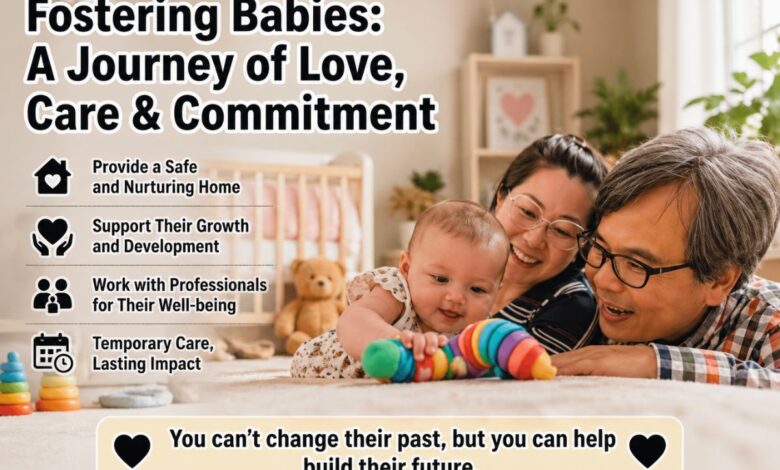
Fostering babies is one of the most meaningful ways to make a difference in a child’s life. It involves providing a safe, loving, and stable home for infants who cannot stay with their biological families. These early months and years are critical for emotional and physical development, making foster caregivers essential in shaping a child’s future.
This guide explores everything you need to know about fostering babies, from responsibilities and challenges to benefits and frequently asked questions.
What Does Fostering Babies Mean?
Fostering babies refers to the temporary care of infants, usually from birth to two years old, who are unable to live with their birth parents. The goal of fostering is not permanent parenting but providing a secure environment until a long-term solution is decided.
Purpose of Baby Fostering
The primary goals include:
- Reuniting the baby with their biological family
- Supporting extended family placements
- Preparing the child for adoption if reunification is not possible
Foster caregivers play a temporary yet vital role in ensuring the baby’s safety and well-being during this transitional period.
Why Babies Enter Foster Care
There are several reasons why infants may need foster care. These situations are often complex and sensitive.
Common Reasons Include
- Neglect or unsafe living conditions
- Parental substance abuse
- Mental or physical health challenges of parents
- Abandonment or voluntary placement
- Emergency situations at birth
Special Cases
Some newborns may be placed in foster care immediately after birth due to medical needs or legal concerns. These babies may require extra care and attention.
Responsibilities of Fostering Babies
Caring for a baby is already a full-time job, but fostering adds additional layers of responsibility.
Daily Care Duties
- Feeding, including night-time feeding
- Diaper changing and hygiene care
- Ensuring proper sleep routines
- Monitoring growth and development
Emotional Support
Babies in foster care may have experienced trauma, even at a very young age. Foster parents must:
- Provide comfort and consistency
- Build trust and attachment
- Respond sensitively to the baby’s needs
Professional Involvement
Foster caregivers often work closely with professionals, including:
- Social workers
- Doctors and pediatricians
- Child welfare agencies
They may also need to facilitate supervised visits between the baby and their birth parents.
Skills Required to Foster Babies
Fostering infants requires more than basic parenting skills. It demands patience, empathy, and resilience.
Essential Qualities
- Emotional stability
- Patience and flexibility
- Strong nurturing instincts
- Ability to handle stress
- Willingness to learn and adapt
Training and Support
Most fostering agencies provide:
- Pre-service training
- Ongoing support programs
- Access to medical and psychological resources
These tools help foster parents provide the best possible care.
Challenges of Fostering Babies
While fostering is rewarding, it also comes with significant challenges.
Emotional Attachment
One of the hardest parts is forming a bond with the baby and then letting them go when they move to a permanent home.
Physical Demands
Caring for a baby requires constant attention, including sleepless nights and continuous supervision.
Uncertainty
Foster parents often face uncertainty regarding how long the baby will stay and what the final outcome will be.
Medical or Developmental Needs
Some babies may have:
- Developmental delays
- Health complications
- Withdrawal symptoms
These situations require extra care and sometimes specialized knowledge.
Rewards of Fostering Babies
Despite the challenges, fostering babies can be deeply fulfilling.
Making a Real Difference
You provide a safe start in life, which can have long-lasting effects on the child’s development.
Emotional Satisfaction
Helping a vulnerable child grow and thrive brings a sense of purpose and achievement.
Building Strong Bonds
Even though the relationship may be temporary, the emotional connection can be powerful and meaningful.
The Process of Becoming a Foster Parent
If you are considering fostering babies, understanding the process is important.
Application and Assessment
- Submit an application
- Undergo background checks
- Participate in home studies
Training
Prospective foster parents complete training programs to prepare for caregiving responsibilities.
Approval and Placement
Once approved, you may be matched with a baby based on your ability to meet their needs.
Tips for Successful Baby Fostering
Create a Safe Environment
Ensure your home is baby-proofed and equipped with essential items like a crib, feeding supplies, and hygiene products.
Maintain Routine
Babies thrive on consistency, so establishing daily routines is important.
Take Care of Yourself
Fostering can be demanding, so self-care is essential to avoid burnout.
Stay Connected with Support Systems
Engage with support groups, family, and professionals for guidance and encouragement.
Long-Term Impact of Fostering Babies
The early years of a child’s life are crucial for brain development and emotional health. Foster parents help lay the foundation for:
- Secure attachment
- Healthy emotional responses
- Cognitive development
Even short-term care can leave a lasting positive impact on a child’s future.
Quick Info About Fostering Babies
- Age Group: Newborn to 2 years
- Care Duration: Temporary (weeks to months, sometimes longer)
- Main Goal: Reunification or permanent placement
- Time Commitment: 24/7 care
- Support Provided: Training, financial assistance, and professional guidance
FAQs About Fostering Babies
Is fostering babies the same as adoption?
No, fostering is temporary care, while adoption is a permanent legal arrangement.
Can single people foster babies?
Yes, single individuals can become foster parents if they meet the requirements.
Do foster parents get paid?
Foster parents usually receive financial support to cover the child’s needs, but it is not considered a salary.
How long do babies stay in foster care?
The duration varies depending on the case. It could range from a few weeks to over a year.
Can foster parents adopt the baby?
In some cases, if reunification is not possible, foster parents may have the opportunity to adopt.
Do I need experience with babies?
While experience helps, training programs are designed to prepare you for infant care.
Final Thoughts
Fostering babies is a powerful and compassionate commitment that requires dedication, patience, and emotional strength. It is not just about providing care—it is about offering hope, stability, and love during one of the most important stages of a child’s life.