Sabrina Butler: A Powerful Story of Survival, Justice, and Exoneration
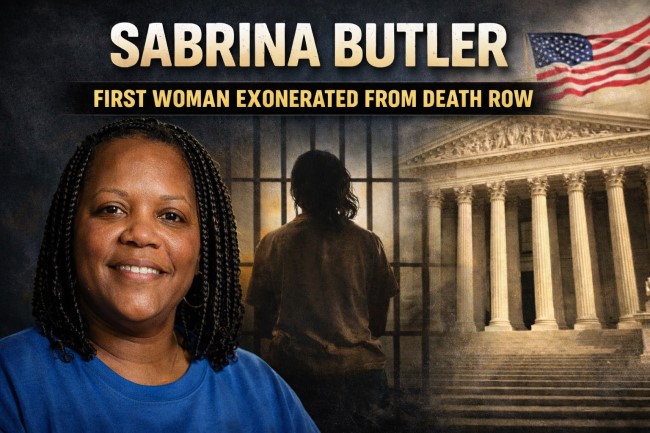
The story of sabrina butler stands as one of the most important and sobering chapters in the history of the American justice system. Her case highlights how deeply flawed investigations, misunderstood medical evidence, and systemic bias can lead to catastrophic outcomes. Wrongfully convicted as a teenager and sentenced to death, she later became the first woman in the United States to be exonerated from death row after it was determined that no crime had occurred.
Today, the name sabrina butler is closely associated with wrongful convictions, the dangers of rushed prosecutions, and the urgent need for criminal justice reform.
Who Is Sabrina Butler?
Sabrina Butler-Smith, often searched as sabrina butler smith or sabrina smith, is a Mississippi woman whose life was permanently altered by a tragic and misunderstood incident.
In 1989, when she was still a teenager, her infant son suddenly stopped breathing. Despite her immediate efforts to save him and seek medical help, the child died. What followed was not compassion or careful investigation, but suspicion, accusation, and ultimately a wrongful conviction.
Her case later became a landmark example of how easily justice can fail when fear, pressure, and misinterpretation replace evidence-based reasoning.
The Tragic Incident That Changed Everything
A Medical Emergency Turned Criminal Case
The death of Sabrina Butler’s infant son was sudden and unexpected. During the emergency, she attempted life-saving measures before seeking professional medical help.
However, physical marks on the child’s body—later understood to be consistent with emergency response efforts—were initially viewed through a criminal lens. Instead of being treated as a grieving young mother, sabrina butler became the focus of an aggressive investigation.
Misinterpretation of Evidence
Medical and investigative assumptions played a critical role in shaping the case. The injuries observed were interpreted as abuse rather than the result of emergency intervention. This early misinterpretation set the tone for everything that followed, influencing both law enforcement actions and courtroom decisions.
Arrest, Trial, and Death Sentence
A Teenager Facing Capital Charges
Sabrina Butler was charged with capital murder and child abuse. At trial, the prosecution argued that the child’s death was the result of intentional harm, despite the lack of clear forensic proof.
She was convicted and sentenced to death, making her the only woman on Mississippi’s death row at the time. The conviction rested largely on disputed interpretations of medical findings rather than definitive evidence of a crime.
Life on Death Row
For a young woman barely out of childhood, life on death row was defined by isolation, fear, and uncertainty. The emotional toll of waiting for execution while maintaining innocence cannot be overstated. The name sabrina butler became synonymous with one of the most extreme consequences of wrongful conviction.
Appeal, Retrial, and Exoneration
Conviction Overturned
On appeal, higher courts determined that the original trial failed to prove that a crime had occurred. The conviction was overturned due to insufficient evidence and serious concerns about how the case had been handled.
Acquittal and Freedom
At her retrial, expert testimony clarified that the child’s death was not caused by abuse. With the prosecution unable to establish criminal intent or action, sabrina butler was acquitted and released.
Her exoneration marked a historic moment. She became the first woman in U.S. history to be exonerated after being sentenced to death.
Life After Exoneration
Rebuilding After Injustice
Freedom did not instantly erase the trauma of imprisonment or the stigma of a wrongful conviction. Sabrina Butler had to rebuild her life from the ground up, carrying the emotional weight of both personal loss and systemic injustice.
Despite these challenges, she demonstrated resilience and determination. Over time, sabrina butler smith worked to reclaim her identity beyond the labels imposed on her by the justice system.
Speaking Out for Justice
Sabrina Butler later became a public voice on issues surrounding wrongful convictions and capital punishment. Her lived experience gave her credibility and moral authority in discussions about reform, particularly regarding cases involving vulnerable defendants and misunderstood evidence.
Why the Sabrina Butler Case Matters
A Warning About Wrongful Convictions
The case of sabrina butler illustrates how quickly a tragedy can be transformed into a criminal prosecution when investigations lack caution and balance. It underscores the danger of relying too heavily on assumptions rather than verifiable facts.
Impact on Legal Awareness
Her story is now frequently referenced in discussions about the death penalty, false confessions, and the treatment of young and marginalized defendants. The name sabrina smith continues to appear in academic, legal, and advocacy contexts as a symbol of justice denied—and later restored.
Quick Info About Sabrina Butler
Quick Facts
-
Full Name: Sabrina Butler-Smith
-
Known As: Sabrina Butler, Sabrina Smith
-
Country: United States
-
Case Type: Wrongful conviction
-
Sentence: Death row (later overturned)
-
Historical Significance: First woman exonerated from death row in the U.S.
FAQs About Sabrina Butler
Why is sabrina butler famous?
Sabrina Butler is known for being the first woman in the United States to be exonerated from death row after a wrongful conviction.
Was sabrina butler proven innocent?
Yes. Her conviction was overturned, and she was acquitted at retrial when it was determined that no crime had occurred.
How long was sabrina butler incarcerated?
She spent several years in prison, including time on death row, before being released and exonerated.
Is sabrina butler smith still alive?
Yes. She is alive and has spoken publicly about her experience and the importance of justice reform.
What lessons does the sabrina butler case teach?
Her case highlights the dangers of misinterpreted evidence, rushed prosecutions, and the irreversible risks of the death penalty.
Conclusion
The story of sabrina butler is not only about wrongful conviction; it is about resilience, truth, and the urgent need for accountability within the justice system. From death row to exoneration, her journey exposes the fragile line between justice and injustice.
As discussions around criminal justice reform continue, the legacy of sabrina butler smith remains a powerful reminder that the pursuit of justice must always be guided by evidence, compassion, and fairness—not fear or assumption.